
In the long history of the Alawi dynasty — the ruling royal family of Morocco for over three hundred and fifty years — no monarch has navigated the transition from absolutist tradition to constitutional modernity quite as carefully as King Mohammed VI. The eldest son of Morocco's long-reigning King Hassan II, who ascended the throne at the age of 35 on 23 July 1999, who introduced a new family code (Moudawana) granting unprecedented rights to Moroccan women, who established the country's truth-and-reconciliation commission for human-rights abuses under his father's reign, and who has been the central figure of North African Arab politics for a quarter-century — is one of the most consequential reigning Arab monarchs of the modern era. Behind every state appearance sits one of the most documented dynastic family stories in the Arab world: a Sharifian father descended from the Prophet Muhammad, a Berber mother, two younger sisters, a younger brother, a former princess wife from Fez, two children, and a sprawling extended Alawi family network across Morocco.
The Family's Roots: The Alawi Dynasty and Descent from the Prophet
The Alawi (or Alaouite) dynasty is one of the most ancient continuously-reigning royal houses in the world, having ruled Morocco since 1631. The dynasty traces its lineage to Ali ibn Abi Talib, the cousin and son-in-law of the Prophet Muhammad, through Ali's grandson Hassan ibn Ali — making the kings of Morocco Sharifs (descendants of the Prophet) in the Hasanid line.
The family's ancestral seat is the Tafilalt oasis in southeastern Morocco; the Alawi founder, Moulay Ali al-Sharif, established the dynasty's authority there in the 1630s. The current Royal Palace is in Rabat, with secondary palaces in Marrakech, Fez, Casablanca, and Tangier.
Mohammed himself was born on 21 August 1963 in Rabat.
His Father: King Hassan II — The 22nd Alawi Sultan
Hassan II of Morocco (9 July 1929 – 23 July 1999) was the 22nd ruler of the Alawi dynasty and reigned from 1961 to 1999 — a 38-year reign that defined modern Moroccan history. He was the architect of the Green March of 1975 (the mass civilian march that staked Morocco's claim to the Western Sahara), survived two coup attempts (1971 and 1972), and oversaw the country's transition from a French protectorate-era monarchy to a constitutional monarchy with a complex political and human-rights legacy.
He died of pneumonia and other complications on 23 July 1999.
His Mother: Lalla Latifa Hammou — The Berber Royal Concubine
Lalla Latifa Hammou, born around 1945 into a Zayyani Berber family of the Middle Atlas, was Hassan II's second wife. Her presence at court, like that of all of Hassan's wives, was deliberately kept out of public view in keeping with Moroccan royal-household tradition. She was almost never photographed during her husband's reign. After Mohammed VI's accession to the throne in 1999, she has continued to live privately.
His Siblings
Mohammed VI has four full siblings through his mother:
Princess Lalla Meryem, born 26 August 1962, is the eldest sister. She is an active patron of children's rights, women's rights, and family-welfare causes in Morocco, serving as the chair of multiple national charities. She is married to Khalid Benharbit.
Princess Lalla Asma, born 29 September 1965, has built a quieter public life. She is married to Khalid Bouchentouf, a banker.
Princess Lalla Hasna, born 19 November 1967, is engaged in environmental conservation work; she chairs the Mohammed VI Foundation for Environmental Protection. She is married to Khalil Benharbit.
Prince Moulay Rashid, born 20 June 1970, is Mohammed VI's younger brother. He has been a senior member of the royal family throughout his brother's reign and frequently represents the King at international events. He married Lalla Oum Keltoum in 2014.
His Wife: Princess Lalla Salma — The Computer Engineer from Fez
Princess Lalla Salma, born Salma Bennani on 10 May 1978 in Fez, was a computer engineer working at ONA Group, the Moroccan industrial holding, when she met then-Prince Mohammed in 1999. She is from a middle-class Moroccan family — her father was a teacher; she was raised primarily by her grandmother after her mother's death when she was three.
She married Mohammed VI on 21 March 2002 at a public state wedding — a significant moment in Moroccan history, as it was the first time a Moroccan king had publicly named his wife and presented her as Queen Consort in modern times. Lalla Salma was given the title HRH Princess (the title "Queen" is not customarily used in Morocco).
She was for many years an internationally visible First Lady, with a particular focus on cancer prevention and treatment, founding the Lalla Salma Foundation for the Prevention and Treatment of Cancer. From around 2017–18, however, she withdrew from public life. Moroccan media has reported a separation but the palace has not officially confirmed or addressed it.
Their Children: Crown Prince Moulay Hassan and Princess Lalla Khadija
Mohammed VI and Lalla Salma have two children:
Crown Prince Moulay Hassan, born 8 May 2003 in Rabat, is the heir apparent to the Alawi throne. He has been visibly present at official state functions since childhood, and now plays an increasingly active role in royal representation as a young adult. He is the 24th-generation male descendant of the Alawi founder Moulay Ali al-Sharif.
Princess Lalla Khadija, born 28 February 2007, is the younger sister. She has been kept largely out of the press by the palace.
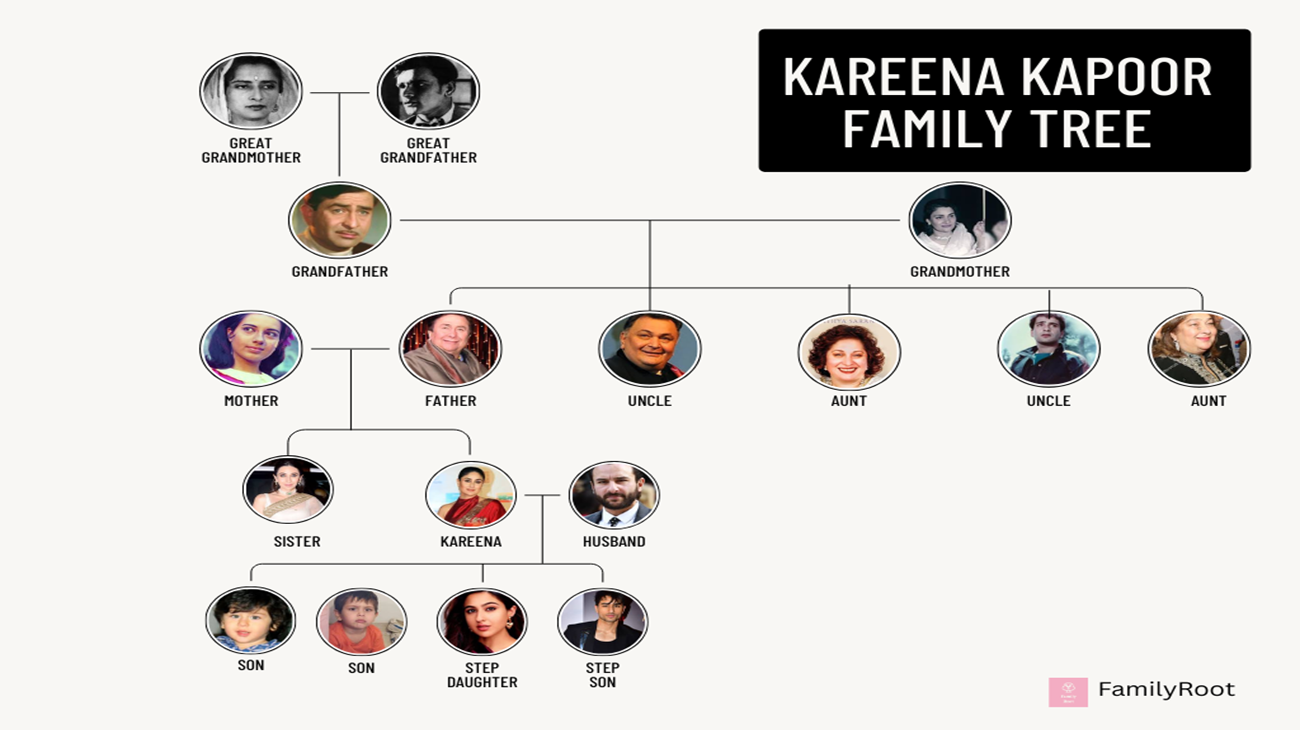
The Alawi Family Tree at a Glance
Family Origins
- Alawi (Alaouite) dynasty
- Descent: Hassanid Sharif (from the Prophet Muhammad through Ali ibn Abi Talib and Hassan ibn Ali)
- Dynasty established in Morocco: 1631 (from Tafilalt oasis)
Parents
- Father: King Hassan II (9 July 1929 – 23 July 1999) — King of Morocco, 1961–1999
- Mother: Lalla Latifa Hammou — of the Zayyani Berber community
Siblings
- Princess Lalla Meryem (b. 26 August 1962) — patron of women's & children's causes
- King Mohammed VI (b. 21 August 1963)
- Princess Lalla Asma (b. 29 September 1965)
- Princess Lalla Hasna (b. 19 November 1967) — chair, Mohammed VI Foundation for Environmental Protection
- Prince Moulay Rashid (b. 20 June 1970)
King Mohammed VI
- Born 21 August 1963, Rabat
- Royal College, Rabat; University Mohammed V, Rabat (Law); University of Nice-Sophia-Antipolis (Law PhD)
- Crown Prince from birth; military training in Brussels
- King of Morocco from 23 July 1999 (acceded on death of Hassan II)
- 2004 family-code reform (Moudawana); 2011 constitutional referendum
Wife: Princess Lalla Salma née Bennani
- Born 10 May 1978, Fez
- Computer engineer (ONA Group)
- Married Mohammed VI on 21 March 2002
- Founder, Lalla Salma Foundation for the Prevention and Treatment of Cancer
- Reportedly separated and largely withdrawn from public life since ~2018
Children
- Crown Prince Moulay Hassan (b. 8 May 2003) — Heir Apparent
- Princess Lalla Khadija (b. 28 February 2007)
A Quarter-Century on the Throne
Mohammed VI ascended on 23 July 1999 at the age of 35. He has, over the subsequent twenty-six years, been one of the most consequential constitutional monarchs in the Arab world. He introduced the 2004 Moudawana family code reform that raised the legal marriage age, restricted polygamy, and provided greater divorce rights to women. He oversaw the 2011 constitutional reform in response to the Arab Spring protests, which substantially modernised Morocco's constitutional structure. He has expanded Morocco's diplomatic outreach into sub-Saharan Africa, deepened its economic integration with the European Union, and managed the long-running Western Sahara question through a combination of diplomacy and infrastructure investment.
What the Alawi Family Story Teaches Us
The Mohammed VI story is the modern Arab dynastic family story written across three and a half centuries. A founding Sharif who established the dynasty in 1631 in a desert oasis. A father who reigned for 38 years. A mother from a Berber tribal background. A computer-engineer wife who was the first publicly identified Queen Consort in modern Moroccan history. Two children growing up at the Royal Palace of Rabat. A 24-generation line of male descent.
For every family — large or small, famous or otherwise — the Alawi story carries the same lesson. The depth of a family tree matters as much as its breadth. The Mohammed VI tree reaches back through 24 generations of his own dynasty alone, plus a thousand years of Sharifian descent before that. Most of our trees do not reach that far back — but every generation we can document is an act of preservation. Write down what you know. The next generation will be grateful.
👉 Start building your family legacy today with Family Root App
- Android: Family Root App on Google Play
- iOS: Family Root App on Apple Store
📜 Disclaimer The family tree and biographical information provided in this article are based on publicly available sources and records including Wikipedia, Britannica, and verified news reports. While we strive for accuracy, we do not guarantee the completeness or authenticity of all data. This content is intended for educational and informational purposes only. It does not represent any political endorsement or commentary on the policies of any government or individual. If you believe any information is incorrect or wish to request edits or removal, please contact us at Info@familyrootapp.com.